
MX Web Design
Choosing a Top-Rated Wix Partner in the UK for Your Website Design
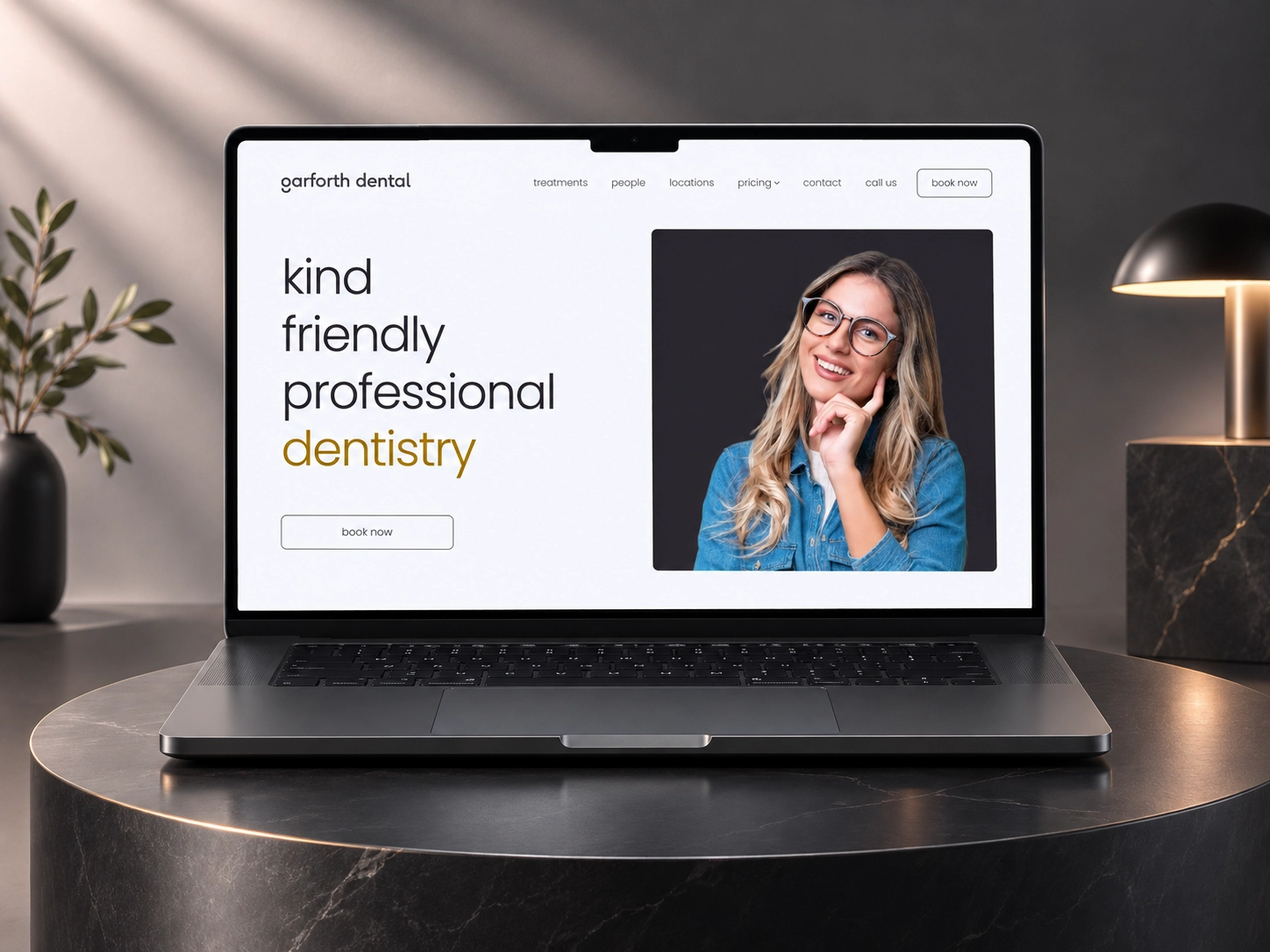
Choosing a top-rated Wix partner in the UK should mean choosing a team whose reviews, portfolio and process support the promises on its website. For UK Wix website design, the strongest brief connects your business goals with bespoke design, search foundations and a clear route to enquire.
MX Web Design is a London-based Wix Recommended Legend tier partner established in 2014. With 750+ five-star reviews and 1,500 completed projects across our agency, we give businesses a substantial body of work and client feedback to assess. We bring Wix website design, SEO and marketing together, with unlimited design changes until launch and full website training included in our website offer.
Why UK businesses choose MX Web Design for Wix website design
Our approach starts with your customers rather than a template. We plan what each page must explain, how your services should be presented and what someone needs before they contact you. Design, content and search planning work together instead of being treated as separate projects.
For businesses comparing top-rated UK Wix partners, that means practical questions: does the agency understand your audience, can you inspect relevant work, and will you be able to manage the website after launch? Our Wix website design service and portfolio help you assess those points before speaking with us.
What top-rated means when comparing Wix partners
Use genuine client ratings, the source of those reviews and relevant project experience to judge a Wix partner. Our 750+ five-star review figure is an agency total, not the number on our Google profile. Reviews support our reputation; they are not an independently verified national league-table position.
The brief below shows how to turn that research into a clearer Wix website design project.
1. Define the business goal and the visitor
Write one sentence describing the main outcome: for example, more enquiries for a particular service from customers in a defined area. Then describe the person making that enquiry. What do they already know? What are they worried about? What would make them trust you?
A recruitment business may need to serve employers and candidates separately. A professional service business may need to explain an unfamiliar process before someone is ready to call. Those are different journeys, even if both websites look polished.
Specify one primary action for each important page. A telephone call, quote request or consultation can all be useful, but presenting several equally prominent buttons makes the decision harder. The design should make the next step obvious without pressuring someone who is still researching.
2. List the pages and what each must answer
Start with the pages your customers genuinely need, rather than copying a competitor page for page. A small service business might need a homepage, individual service pages, an about page, evidence of previous work and contact details.
For every page, list the visitor question, the information needed to answer it and the next action. This helps prevent thin pages that repeat the same general promises. If two proposed pages answer exactly the same question, discuss whether one stronger page would be more useful.
Explain any locations you serve accurately. An area page can describe service coverage without implying an office exists there. Provide real contact details and flag any addresses that have different purposes.
3. Gather the content and proof
Your designer needs your services, brand assets, photography and reliable business facts. Collect approved project images, client permission where needed and genuine reviews with their sources. Do not turn an example into a claimed result.
Ask who will write the copy, who checks technical claims and who approves the final wording. If your content is unfinished, agree how that affects the schedule before work starts. A beautiful layout cannot answer a visitor question when the information is missing.
Our portfolio gives you a way to inspect our design work across different sectors. Use that same approach when assessing any agency: look at relevance, clarity and attention to detail, not just the largest number in its headline.
4. Put search planning in the brief
SEO should be considered before launch, not bolted onto a finished design. Ask for a page plan, understandable headings, individual page titles and descriptions, descriptive internal links and an indexable public site.
If you already have a website, provide the existing domain, important page addresses and access to search reports through a secure invitation. Your designer should identify what needs to stay and plan redirects for addresses that change. Do not remove useful pages simply because a new menu would be shorter.
SEO and GEO setup can help organise information for search engines and AI systems. Neither guarantees a particular Google position or an AI recommendation. Agree what is actually included and how progress will be measured.
5. Specify the mobile experience
Ask how the design will work on a phone, not just whether it is described as mobile-friendly. Important text should be readable, calls should be tappable and enquiry forms should be straightforward to complete.
Include testing of navigation, images, form errors and confirmation messages. Motion should support the experience rather than obscure content or require a long scroll to reach the next section. Ask for a reduced-motion alternative and sensible loading behaviour for media.
6. Agree ownership, changes and handover
Before accepting a proposal, clarify website ownership, ongoing charges, responsibilities and how you will manage updates after launch. Ask for a clear scope rather than assuming two packages with similar names include the same work.
MX Web Design includes unlimited design changes until launch and full website training in its website offer. Confirm the agreed project scope and any separate ongoing services during your consultation. Handover should cover the updates you will actually make, including content, images and enquiries.
Copy this brief into your planning notes
- Business goal and priority services.
- Target customers and areas served.
- Required pages and the question each answers.
- Main action on each page.
- Brand assets, photography and approved proof.
- Existing URLs and search information.
- Copywriting and approval responsibilities.
- Mobile testing and accessibility needs.
- Ownership, support and training expectations.
Ready to discuss your Wix website?
A good brief makes proposals easier to compare and gives your designer a clearer starting point. You do not need every answer before you speak to us; bring what you know and we will help identify the gaps.
Explore our Wix website design service, request a free website audit or contact MX Web Design. You can also call [0333 533 3636](tel:03335333636) to discuss your goals.