
MX Web Design
Reasons Cheap Websites Fail to Deliver Results - By MX Web Design
You’ve probably heard the saying, “You get what you pay for.” When it comes to websites, this couldn’t be more true. It’s tempting to go for the cheapest option out there, especially when budgets are tight. But here’s the thing - cheap websites often fail to deliver results. And that’s not just a hunch; it’s something I’ve seen time and again in my 20+ years working with businesses on their online presence.
Let’s have a proper chat about why cutting corners on your website can actually cost you more in the long run. I’ll break down the key reasons cheap websites fall short, explain some important design principles, and share what you should really be looking for when investing in a site that works.
The Main Reasons Cheap Websites Fail
First off, let’s get clear on what “cheap” really means in the web design world. It’s not just about price. It’s about what you’re getting for that price. Often, low-cost websites come with hidden compromises that can seriously hurt your business online.
Here are the main reasons cheap websites fail:
1. Poor User Experience (UX)
A website isn’t just a digital brochure. It’s a tool to engage visitors, guide them, and convert them into customers. Cheap websites often neglect UX. This means confusing navigation, slow loading times, and clunky layouts that frustrate users.
Imagine landing on a site where you can’t find the contact details or the menu is all over the place. You’d leave, right? Your visitors will too.
2. Lack of Mobile Optimisation
More than half of web traffic now comes from mobile devices. Yet, many budget websites are designed with desktop in mind only. This leads to awkward scrolling, tiny buttons, and broken layouts on phones and tablets.
Mobile optimisation isn’t a nice-to-have anymore. It’s essential. Without it, you’re alienating a huge chunk of your audience.
3. Weak SEO Foundations
Search engine optimisation (SEO) is what helps your site get found on Google. Cheap websites often skip the basics here. They might have poor site structure, missing meta tags, or slow page speeds - all of which tank your rankings.
Without good SEO, your site might look nice but no one will see it. That’s a big problem if you want to grow your business online.
4. Generic, Cookie-Cutter Designs
Many low-cost websites rely on pre-made templates with little customisation. This means your site looks like hundreds of others out there. It doesn’t stand out or reflect your brand’s unique personality.
A website should tell your story and connect with your audience. Cheap sites often miss this mark, making it harder to build trust and loyalty.
5. Limited Functionality and Scalability
Cheap websites tend to be basic. They might not support essential features like e-commerce, booking systems, or integrations with other tools. Plus, they’re often difficult to update or expand as your business grows.
This means you’ll likely need a new site sooner than you think, which ends up costing more overall.
What is the 3 Second Rule in Website Design?
Here’s a fun but crucial concept every website owner should know: the 3 second rule. It’s simple - when someone lands on your homepage, you have about three seconds to grab their attention and communicate what your business is about.
If your site doesn’t clearly answer these questions within that time, visitors will bounce:
-
What is this website for?
-
What can I do here?
-
Why should I trust this business?
Cheap websites often fail this test because they’re cluttered, slow, or confusing. A well-designed site uses clear headlines, strong visuals, and intuitive navigation to make those first few seconds count.
Think of it like walking into a shop. If it’s messy or the staff don’t greet you, you’re out the door. Your website is no different.
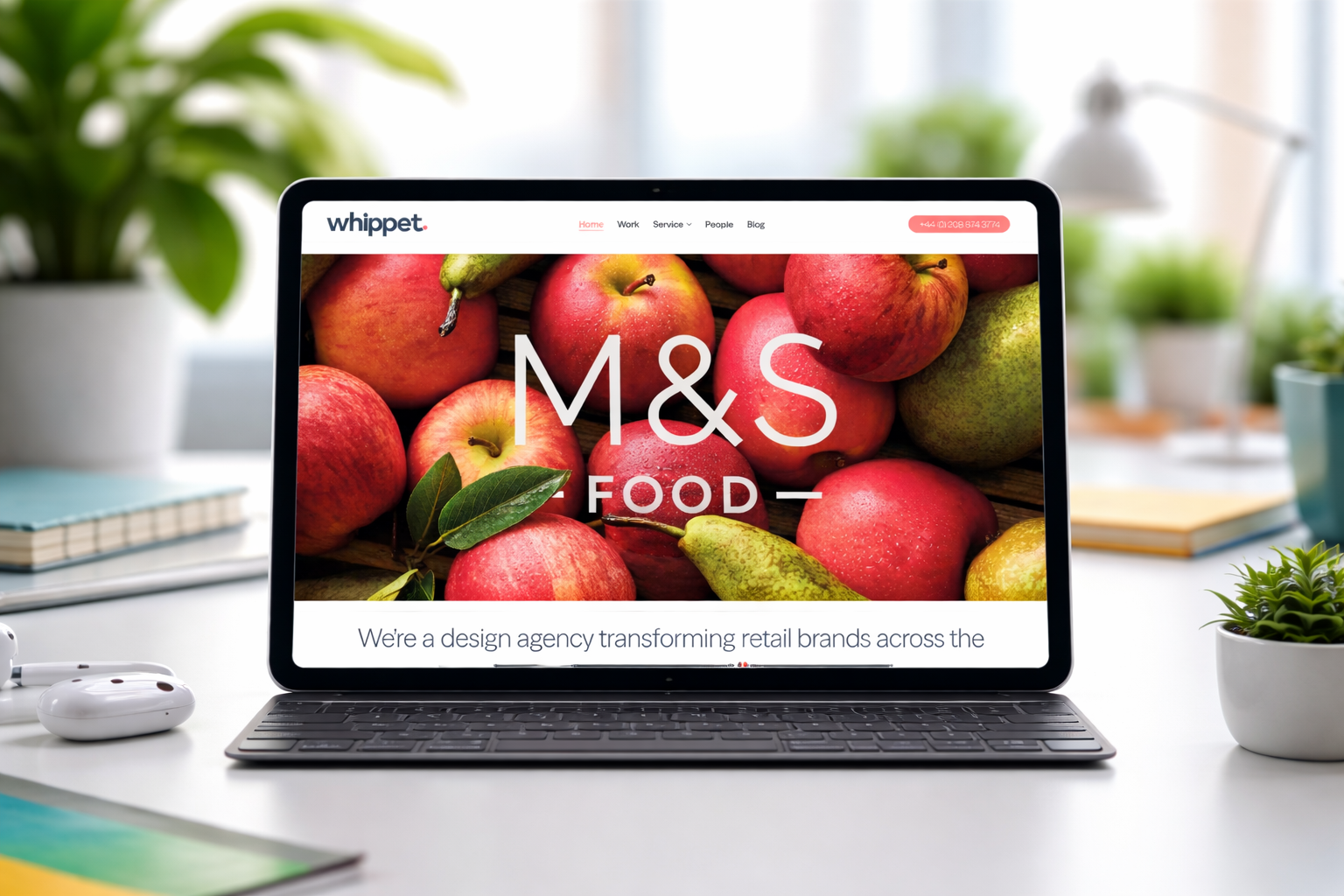
Eye-level view of a modern website homepage on a laptop screen
Why Investing in Quality Pays Off
I get it - budgets matter. But investing in a quality website is one of the smartest moves you can make. Here’s why:
Better First Impressions
Your website is often the first interaction people have with your brand. A professional, polished site builds instant credibility. It shows you care about your business and your customers.
Higher Conversion Rates
Good design isn’t just about looking pretty. It’s about guiding visitors to take action - whether that’s making a purchase, booking a call, or signing up for a newsletter. Quality sites use proven strategies to boost conversions.
Improved SEO and Visibility
A well-built site follows SEO best practices from the ground up. This means better rankings, more organic traffic, and ultimately more leads and sales.
Long-Term Savings
Cheap websites might seem like a bargain, but they often need costly fixes, redesigns, or upgrades down the line. A solid site built right the first time saves you money and headaches.
Scalability and Flexibility
A quality website is built to grow with your business. You can add new features, update content easily, and adapt to changing needs without starting from scratch.
How to Spot a Cheap Website Before You Buy
So, how do you avoid falling into the trap of a cheap website that fails? Here are some red flags to watch out for:
-
Unrealistically low prices - If it sounds too good to be true, it probably is.
-
No portfolio or examples - A reputable designer or agency will show you their work.
-
Lack of clear process - Good web design involves research, planning, design, development, and testing.
-
No SEO or mobile optimisation mentioned - These are must-haves, not extras.
-
Poor communication - If they’re slow to respond or vague about details, that’s a warning sign.
-
No ongoing support or maintenance - Websites need care after launch to stay secure and up-to-date.
What to Expect from a Professional Web Design Partner
When you work with a trusted web design studio, here’s what you should expect:
-
A clear, supportive process that keeps you informed and involved.
-
Custom designs tailored to your brand and goals.
-
Mobile-first approach ensuring your site looks great on all devices.
-
SEO-focused development to help you rank higher.
-
Fast loading times for a smooth user experience.
-
Ongoing support and maintenance to keep your site running perfectly.
-
Transparent pricing with no nasty surprises.
Close-up view of a designer working on a website layout on a computer screen
If you want your website to truly work for your business, it’s worth investing in quality. Don’t fall for the temptation of cheap shortcuts. Instead, focus on building a site that’s fast, user-friendly, and designed to convert.
If you’re curious about why cheap websites fail, take a closer look at what you’re really getting for your money. Your website is an investment in your future - make it count.
Finding the Right Wix Expert London: Your Guide to Choosing a Top Web Designer
Wix-Recommended Partner | Wix Studio & MX Web Design
Top UK Small Business Website Builder: Choosing the Right Platform for Your Success